What's Not Changed
AI won't change that we're each responsible for cultivating the things that make us "us", and for teaching and transmitting those things through the ages.
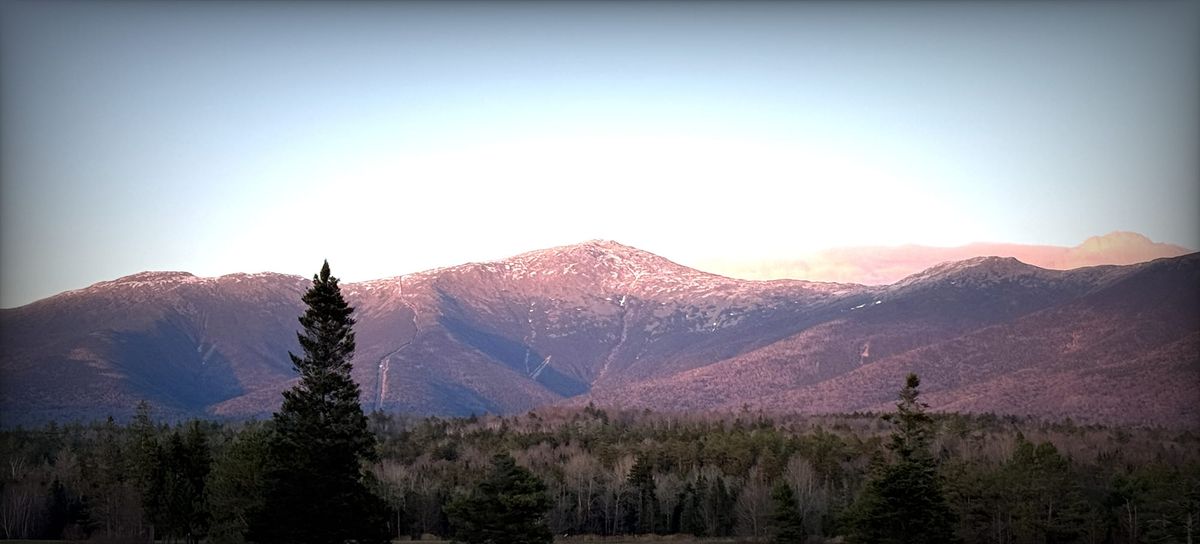
With all the discussion about the impacts of AI and the change it will impart, it's perhaps easy to lose sight of what won't change. When you step outside of the echo chamber and into the forest, it becomes strikingly clear that the squirrels and crickets are unfazed by the approaching revolution. Perhaps we should take a cue (and a breather) from them.
My dreams used to be of literal computer code. Now, I fantasize about meadows of fireflies appearing in the twilight. I can feel deep in my bones the need to put my hands in the soil - to build a stone wall or chop down a tree. To use my muscles for something primal. To feel the wind on an open horizon. This is a grounding urge, a reminder that while the revolution is tangible it is also markedly abstract.
AI won't change the fact that there are special places and special people in this world. It won't change the feeling you get when you step barefoot into a stream, and feel the rounded stones of the streambed rise up to meet your skin. It won't change the way the fog rolls down from the mountains, or the way your breath comes out in thin wisps in the cool air.
It won't change the hiss of a crackling fire or the throaty bellow of an owl. Nor will it change a child's slumber. It may keep you awake at night, but rest assured that most will sleep soundly while the revolution continues. After all, most revolutions involve only a frenzied and frantic set of true believers, and a much larger group of innocents unable to get out of the way in time.
It won't change the fact that every day, millions awake in poverty, pain, and discomfort. It would be optimistic to think that AI will solve this, but it won't, at least not in the near term, and not so long as it doesn't address other fundamental motivators - greed, fear, desire for power.
It won't change that we're each responsible for cultivating the things that make us "us", and for teaching and transmitting those things through the ages.
Sometimes the message itself is less important than the fact that we delivered it.